
Hospitals run on decisions — which patient needs attention first, which bed to assign, which treatment to adjust, which supplies to reorder. For decades, many of those decisions were made with incomplete information, pieced together from paper charts, siloed departments, and systems that didn't talk to each other. Connected systems are changing that.
By linking medical devices, electronic health records (EHR), administrative platforms, and monitoring tools into a single, real-time data ecosystem, hospitals are giving clinicians and administrators the full picture they need to make faster, safer, and more informed decisions.
What are connected systems in healthcare?
A connected system, sometimes called an integrated health IT ecosystem, links previously separate sources of hospital data into one coordinated network. This typically includes:
- Electronic Health Records (EHR) shared across departments
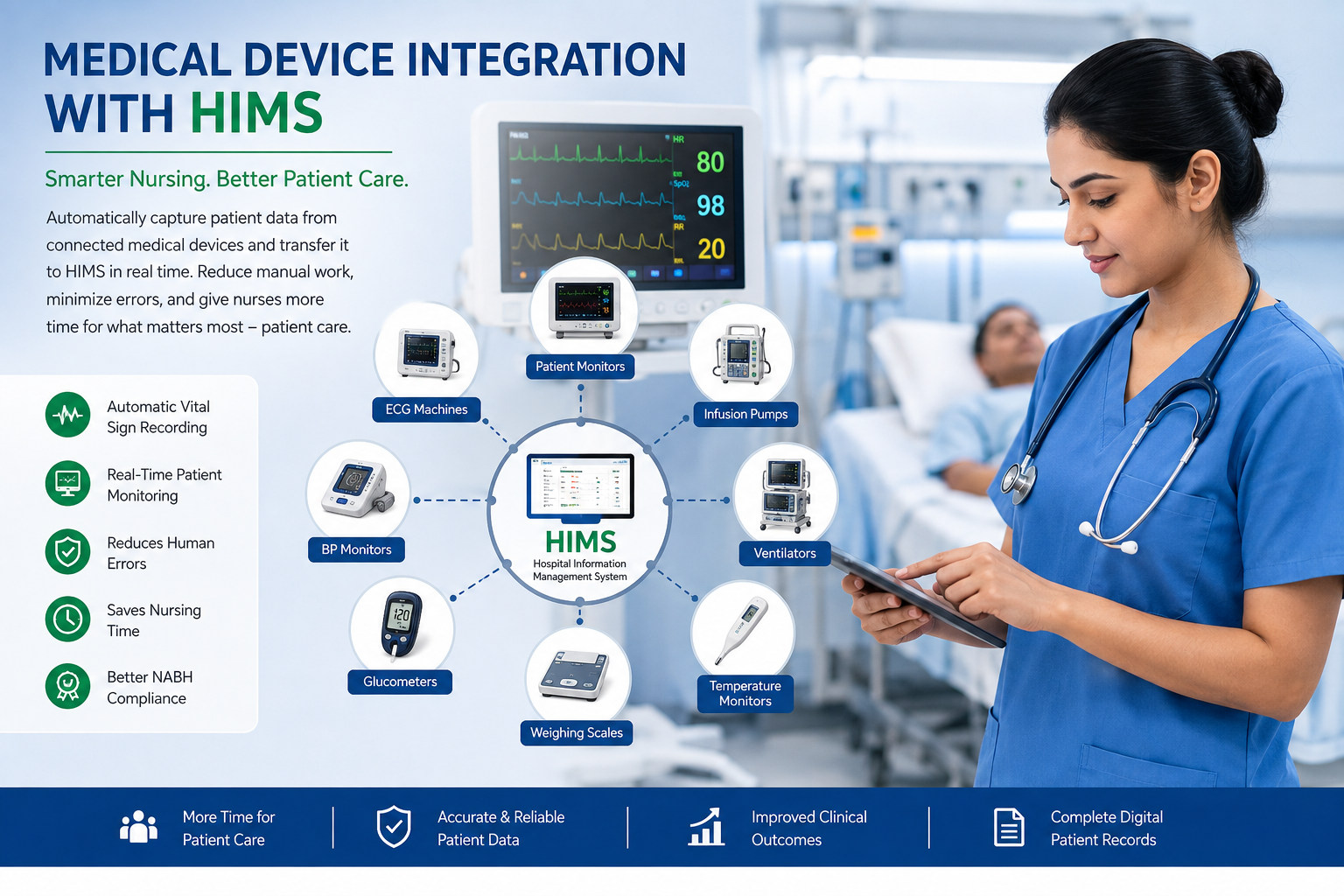
- Medical devices and monitors streaming real-time vitals
- Laboratory and imaging systems feeding results directly into patient records
- Pharmacy and supply chain platforms tracking medication and inventory
- Nurse call and staff communication systems
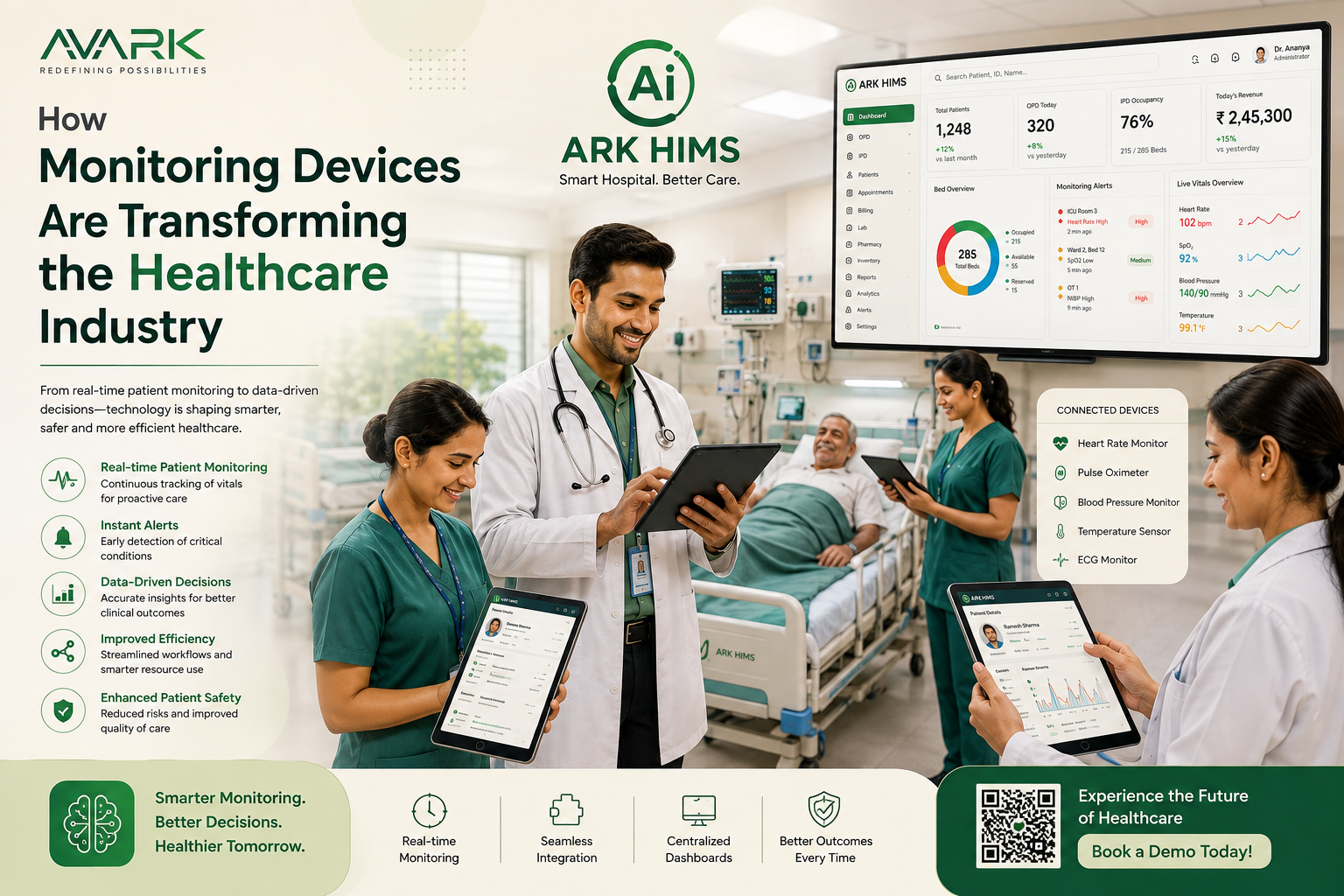
- Hospital-wide dashboards that pull data from all of the above
Instead of clinicians checking multiple systems separately, connected infrastructure brings the relevant data to them — often in real time, at the point of care.
Why decision-making breaks down without it
In a disconnected hospital environment, common problems include:
- Delayed access to lab results or imaging across departments
- Duplicate tests because previous results weren't visible
- Manual, error-prone handoffs between shifts or units
- Administrators making staffing or resource decisions on outdated data
- Critical alerts (like a deteriorating patient) not reaching the right person fast enough
These gaps don't just slow things down — they directly affect patient safety and outcomes.
Clinical decision-making, improved
Real-time access to patient data
When vitals, labs, imaging, and medication history are all visible in one place, clinicians can make decisions based on the most current information available, rather than waiting on a report to be manually shared between departments.
Faster identification of deteriorating patients
Connected monitoring devices can feed live vitals directly into a hospital's alert system, flagging early warning signs like a drop in oxygen saturation or an abnormal heart rhythm — allowing care teams to intervene before a situation becomes critical.
Reduced duplicate testing and errors
With a shared, connected record, clinicians can see what tests have already been run and what treatments have already been given, cutting down on unnecessary repeat testing and reducing the risk of conflicting medication orders.
Better care coordination across teams
Connected systems make it easier for specialists, nurses, and primary care teams to work from the same information, improving handoffs between shifts and departments and reducing the communication gaps that often lead to mistakes.
Data-driven clinical protocols
When patient data is aggregated across a connected system, hospitals can analyze outcomes at scale — identifying which treatment protocols are working best and refining clinical guidelines based on real evidence rather than assumption.
"A connected hospital doesn't just move faster — it decides with the full picture, not a fragment of it."
Administrative and operational decisions
Clinical care isn't the only area that benefits. Hospital administrators rely on connected systems to make smarter operational calls, including:
Smarter resource allocation
Real-time visibility into bed occupancy, staffing levels, and patient flow allows administrators to allocate resources where they're needed most, reducing bottlenecks in the ER and improving patient throughput.
Predictive staffing and capacity planning
By analyzing historical and real-time data together, hospitals can better anticipate patient volume trends — such as seasonal surges — and staff accordingly instead of reacting after the fact.
Supply chain and inventory visibility
Connected inventory systems help hospitals track medication and equipment usage in real time, reducing shortages, minimizing waste, and supporting better purchasing decisions.
Financial and performance insights
Integrated systems give administrators a clearer view of costs, utilization, and outcomes together, supporting more informed decisions about where to invest in staff, equipment, or process improvements.
Real-world applications
- ICU monitoring networks: Connected bedside monitors alert care teams the moment a patient's vitals move outside a safe range.
- Emergency department dashboards: Real-time bed and staffing data helps ER teams triage and route patients more efficiently.
- Medication management: Connected pharmacy systems cross-check new prescriptions against a patient's full medication history to flag interactions.
- Discharge planning: Integrated data helps care teams coordinate follow-up care and reduce readmission risk.
Challenges to consider
Building a connected system isn't without obstacles. Common challenges include:
Getting legacy systems and newer devices to communicate in a shared data format.
Protecting patient data as it flows across more systems, in line with HIPAA.
Ensuring real-time alerts stay meaningful, not overwhelming for staff.
Helping clinical and admin teams adapt workflows to integrated tools.
The future of connected hospital systems
As AI and predictive analytics mature, connected systems are moving beyond simply displaying real-time data toward actively helping clinicians and administrators anticipate problems before they happen — flagging a likely readmission risk, predicting a surge in ER volume, or recommending a treatment adjustment based on patterns across thousands of similar cases. Combined with growing device interoperability standards, the next generation of connected hospitals will make decision-making faster and more proactive still.
Conclusion
Connected systems are turning hospitals from collections of separate departments into coordinated, data-driven organizations. By giving clinicians real-time access to patient information and giving administrators a clear view of operations, these systems support faster, safer, and more confident decision-making at every level. For hospitals aiming to improve patient outcomes while managing costs and resources effectively, investing in connected infrastructure is quickly becoming essential rather than optional.