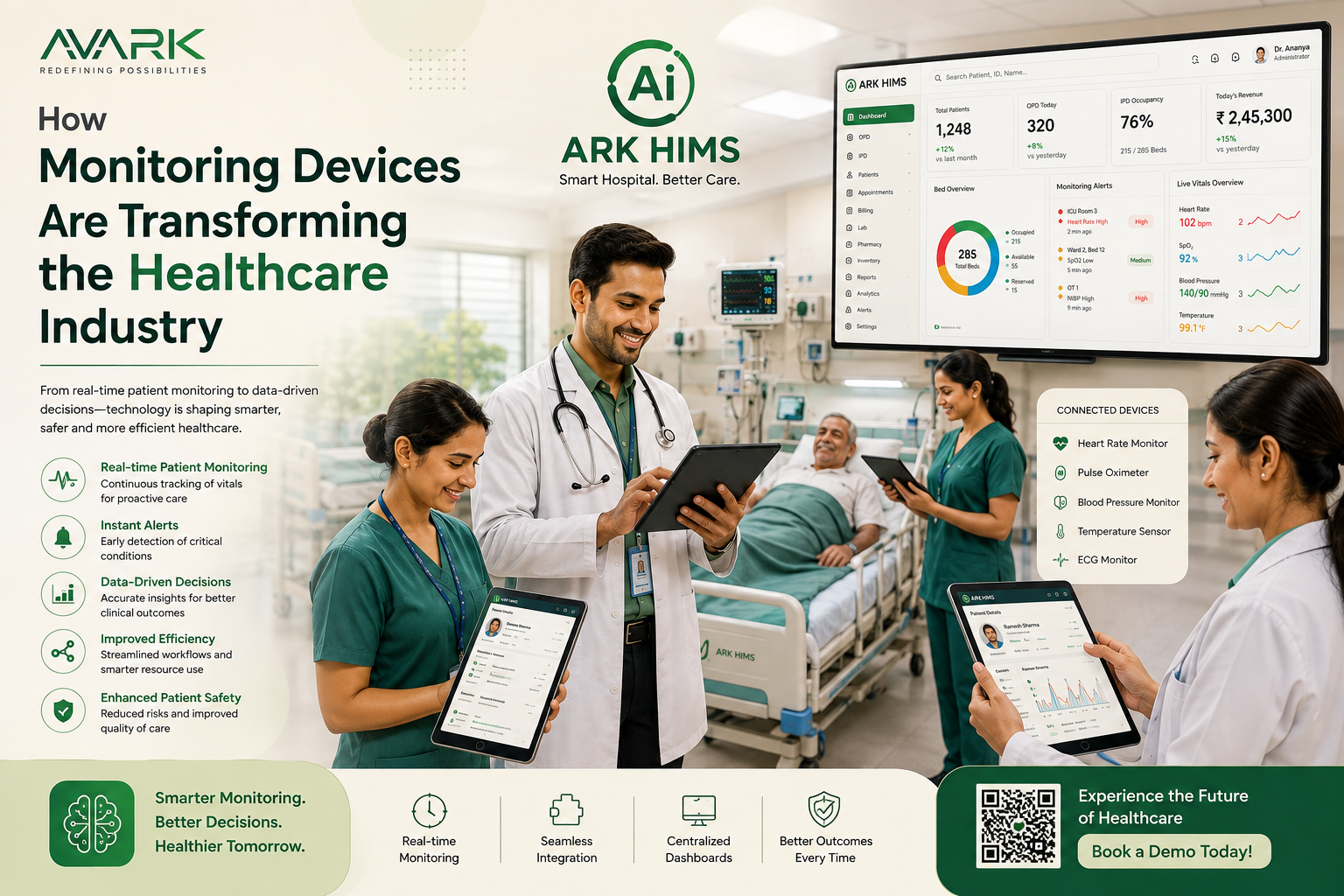
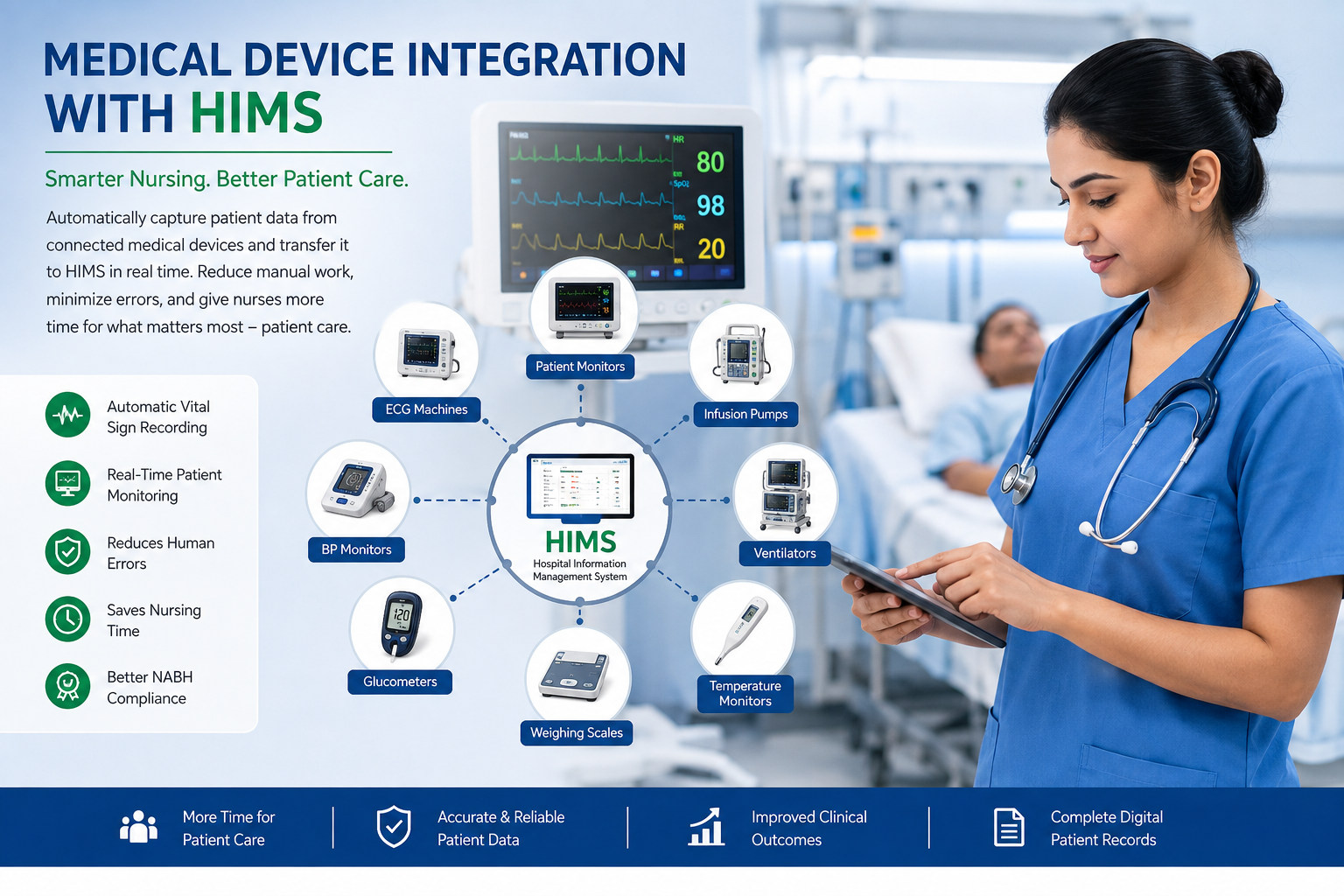
The healthcare industry is undergoing a quiet revolution, and it isn't happening only inside hospitals. It's happening on wrists, chests, and bedside tables — anywhere a monitoring device can quietly collect data and send it back to a care team. From wearable heart monitors to remote patient monitoring (RPM) systems, these devices are reshaping how care is delivered, making it more proactive, personalized, and accessible than ever before.
In this article, we'll explore what monitoring devices are, the specific ways they benefit patients and providers, and why healthcare organizations are investing heavily in this technology.
What are healthcare monitoring devices?
Healthcare monitoring devices are tools — wearable, implantable, or stationary — that continuously or periodically track a patient's vital signs and health metrics. Common examples include:
- Wearable heart rate and ECG monitors — smartwatches, chest straps
- Continuous glucose monitors (CGMs) for diabetes management
- Pulse oximeters for tracking blood oxygen levels
- Blood pressure monitors with wireless connectivity
- Smart inhalers for asthma and COPD patients
- Fall detection sensors for elderly care
- Remote patient monitoring (RPM) kits used in chronic disease management
These devices connect to apps, electronic health records (EHR), or care platforms, giving both patients and clinicians real-time visibility into health status.
Key benefits in practice
Early detection and prevention
Continuous monitoring allows abnormalities — an irregular heartbeat, a spike in blood sugar, a drop in oxygen saturation — to be caught early, often before symptoms become severe. This shifts healthcare from a reactive model to a preventive one, reducing emergency room visits and improving long-term outcomes.
Better chronic disease management
Conditions like diabetes, hypertension, and heart disease require ongoing tracking. Monitoring devices give patients and doctors a continuous data stream instead of relying on occasional in-office checkups, enabling faster adjustments to treatment plans.
Reduced hospital readmissions
Remote patient monitoring lets care teams keep an eye on recently discharged patients from home. Warning signs can be flagged and addressed before they escalate into a hospital-worthy emergency, lowering readmission rates and reducing strain on hospital resources.
Improved access to care
For patients in rural or underserved areas, monitoring devices reduce the need for frequent travel to clinics. This is especially valuable for elderly patients or those with mobility challenges, who can now be monitored safely from home.
Enhanced patient engagement
When patients can see their own health data — steps, heart rate trends, glucose levels — they tend to become more invested in their own care. This visibility encourages healthier habits and better adherence to treatment plans.
Data-driven clinical decisions
Monitoring devices generate large volumes of real-world health data. Aggregated and analyzed, this data helps clinicians make more informed decisions and helps researchers identify patterns across populations, improving treatment protocols over time.
Cost savings for providers and patients
Fewer emergency visits, shorter hospital stays, and more efficient use of clinical staff time all translate into lower costs. Insurers and health systems increasingly view monitoring technology as a way to control spending while improving quality of care.
"The next generation of care won't wait for a patient to walk into a clinic — it will already know something changed."
Real-world applications
- Cardiac care: Wearable ECG patches detect arrhythmias like atrial fibrillation days or weeks before a traditional checkup would.
- Post-surgical recovery: Wireless vital sign monitors track recovering patients at home, alerting care teams to complications early.
- Elderly care: Fall detection and activity monitors help caregivers respond quickly to emergencies, supporting independent living.
- Maternal health: Remote monitoring of blood pressure and fetal heart rate helps manage high-risk pregnancies outside the hospital.
Challenges to consider
Monitoring devices aren't without hurdles. Healthcare organizations need to address the following before scaling adoption:
Protecting sensitive health data from breaches and unauthorized access.
Ensuring devices integrate smoothly with existing EHR systems.
Encouraging consistent, correct day-to-day use of devices.
Meeting regulatory standards like HIPAA and FDA requirements.
The future of monitoring in healthcare
As AI and machine learning continue to advance, monitoring devices are becoming smarter — capable of predicting health events before they happen, not just recording them after the fact. Combined with 5G connectivity and improved battery technology, the next generation of devices will likely offer even more seamless, continuous, and predictive care.
Conclusion
Monitoring devices are no longer a futuristic concept — they're an essential part of modern healthcare delivery. By enabling early detection, reducing hospital visits, and empowering patients with real-time health data, these tools are helping the industry move toward more proactive, accessible, and cost-effective care. For healthcare providers looking to stay competitive and improve patient outcomes, investing in monitoring technology isn't just an option anymore — it's becoming a necessity.